Chibi Edition or Full Kit? Choosing the Right Fat Brain Anime Drawing Kit

Two anime drawing kits sit in your cart, and the smaller one looks like a compromise. The chibi edition is cheaper and fits a small desk, but you worry it might be a downgrade. The real question is not how many markers are included; it is whether your child is just starting out. For a young beginner, the chibi edition is the right first buy; the full kit becomes the better value only once the beginner stage is passed.
Chibi Edition or Full Kit? The Question Behind the Keyword
Which version actually serves a 7-year-old who has just discovered anime? The obvious answer is the larger set, because it offers room to grow, but that reasoning ignores how beginners practice. A compact kit forces focus, and for a child who has never finished a drawing, a limited set reduces the burden of choice. You are weighing a smaller price and footprint against the risk of outgrowing the kit. For a casual interest, the safer bet is the one that lets her finish a page tonight. If she loses interest, you have lost little; if she sticks, the upgrade path is clear. The dilemma is not about material quality; it is about matching the tool to a child's attention span and workspace. A full kit may sit in a closet, while a chibi kit can stay out and get used daily.
Fat Brain Toys does not treat small sets as afterthoughts, and that changes the stakes. The company's pages note that its store is 'curated entirely by our customers' and promotes 'A Smarter Way to Play,' which signals that every product size is a deliberate choice. The same site offers 10% off a first order and a one-hour 15% discount, making a trial purchase low-risk. If the chibi edition is too small, the full kit remains available, and the money saved now can be applied later. Free shipping on orders of $99 or more only matters if you are bundling; for a single kit, the flat $7.99 rate keeps the experiment cheap. This commercial context reinforces that you are not locked into a downgrade; you are taking a supported first step.
What 'Chibi' Actually Means in Fat Brain's Lineup
The word 'chibi' often feels like an insult, but on Fat Brain Toys it signals purpose. The site repeats 'Curated Entirely by Our Customers!' and organizes by 'Developmental Goal,' which reveals a philosophy of matching toys to a child's stage. A compact kit is therefore not a stripped-down version; it is built for a beginner's attention span and physical space. When a brand sorts by developmental goals, size is an intentional variable, not an accident of cost cutting. If 'chibi' were merely a budget move, you would expect it to lack quality materials, but the brand's emphasis on curation suggests the small kit is as thoughtfully assembled as its larger siblings. That reframing means you are not buying less; you are buying a tool sized for where your child is right now.
What does chibi mean for daily practice? It means a deliberate limit on pencils, markers, and guides, eliminating the paralysis of choosing among thirty shades. For a young anime-curious artist, that constraint is an accelerator, because redrawing the same features builds the muscle memory that copying requires. A smaller kit also fits a nightstand or shared desk, making it easier to pull out and use. When art supplies are convenient, a beginner is more likely to practice, and practice is what turns interest into skill. If you hand a beginner a full studio set, she will spend more time organizing than drawing. The hobby may end before it starts. That is why compactness matters. It keeps the focus on making art. And finishing.
That said, the chibi edition only works under the right conditions. If your child is already drawing daily and asking for specific supplies, the compact set will feel limiting. It suits a child who is exploring anime style but has not committed to a medium. When the practice pages fill up, that is the signal to upgrade. Until then, the small kit protects your child from choice overload while allowing her to finish what she starts. You can treat it as a one-season investment: if interest fades, the cost is small; if it sticks, you have a clear path. And when the path leads to the full kit, you will know it. The checkpoint tells you exactly when. That is the value of a small start.
The Real Trade-offs: Age, Space, and Commitment
What should you ask before adding a kit to your cart? Start with age: the chibi edition suits a child between 7 and 10 who has enough fine-motor control to trace but not enough patience for a large supply chest. Ask about space: if the kit will live in a shared family area, the compact footprint is a clear advantage. Ask about commitment: is she asking for an anime kit specifically, or just a rainy-day activity? A casual interest calls for the cheaper start; a self-starting habit justifies the larger investment. If the child has never finished a full drawing, the limited pages are a positive, because completion builds confidence. These questions turn the trade-off into a simple evaluation, and if you are still torn, the smaller kit is the safer default. It is the lower-risk option.
The answer changes when you factor in shipping and trial offers. Fat Brain Toys charges a flat $7.99 for shipping and offers free standard shipping on orders of $99 or more, so a single chibi kit has a low delivery cost. A first-order 10% discount reduces the entry price further, making the small kit a trial purchase. For a standalone gift, the flat rate keeps the risk minimal; for a larger cart, the $99 threshold is easy to reach. None of the offers require you to overspend, so the financial downside of choosing chibi is small. This commercial context supports the decision rule: a cheap, reversible first step is the rational way to test a new hobby, and you can always upgrade when the child's skill justifies it. The shipping structure itself lowers exactly the barrier a first kit should lower.
A Simple Rule: When Chibi Wins, When It Doesn't
You can now draw a firm line between the two editions. Choose the chibi edition if your child is under ten, new to anime, and short on desk space; choose the full kit if she is older, already filling sketchbooks, and complaining that the compact set runs out of paper too fast. The distinction is not about the dollar difference; it is about whether the tool's limits frustrate or focus the artist. A beginner who has never finished a page will not miss the missing brushes, while a child who has outgrown the starter pages will grind to a halt. You can also set a measurement, such as upgrading when the practice pages are all filled, which turns a one-time guess into an ongoing check rather than betting a large sum on a hobby that may fade. And it works.
Fat Brain Toys' product philosophy gives you permission to make that call. The brand highlights 'high-quality materials, magical FUNctionality, and storage that's integrated into play,' which suggests even its smallest toys are built with care. So a reliable decision rule is: if the child is a beginner who needs structure and a tiny footprint, the chibi edition wins; if the child is a committed hobbyist needing a wider tool range, the full kit wins. You can apply that rule by asking one closing question: 'Will this kit still fit my child a year from now?' If the answer is no, and the child is a beginner, that is not a reason to buy larger; it is a reason to buy smaller and plan the upgrade. The brand's developmental focus makes small kits intentional, not lesser. And that intention supports the upgrade path. It is a designed stepping stone.
Verdict: Who Should Buy the Chibi Edition
Buy the chibi edition if your child is just starting out, has limited space, and is still exploring anime drawing. Evidence from Fat Brain's own site supports this as a deliberate starter configuration, not a cut-down afterthought: the mission is 'A Smarter Way to Play,' and the offers encourage low-risk trial purchases. For a parent weighing a smaller price and footprint against the risk of outgrowing the kit, the chibi edition is the safer, smarter first purchase. It reduces choice overload, fits tight corners, and gives a young artist a realistic chance to finish drawings, which builds confidence and skill. If the full kit's extra supplies would just be noise for a child who has not developed a daily habit, the chibi edition is the right call, and that is a verdict you can apply without feeling like you are settling.
There are, of course, exceptions. If your child is already producing multi-page stories and copying complex characters, skip the chibi edition and go for the full kit, because the limitation will frustrate rather than focus. If you have abundant space and money is no object, the full kit could still be a justified long-term investment, but for most families the chibi edition is the rational start. The boundary is not about the kit's quality; it is about the child's readiness. Once the beginner stage is finished, the full kit becomes the better value, and your initial investment in the chibi edition will have paid for itself in finished drawings and acquired habits. So the real test is not the contents of the box but the stage of the artist inside.
Verdict: the chibi edition is the smarter buy for a young beginner with a small desk, and it becomes the wrong choice only once the child has clearly outgrown it.
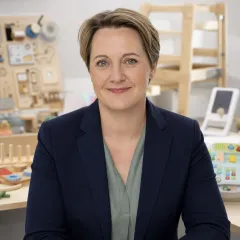
Miriam Adler
Miriam Adler is an educational and STEM toy analyst specializing in busy boards, Montessori-style manipulatives, learning towers, sound books, reading pens, pretend-play sets, and early learning toys. She applies ASTM F963 and IEC 62115 methods while evaluating small-part hazards, accessible edges, switch durability, sound output, battery access, pull force, and age-appropriate task complexity. Her work helps parents, retailers, and product teams choose learning products that align developmental goals, supervision needs, interaction design, and the intended age stage.
Leave a Reply